Every Child Deserves a Safe Place to Play | Playing For Keeps
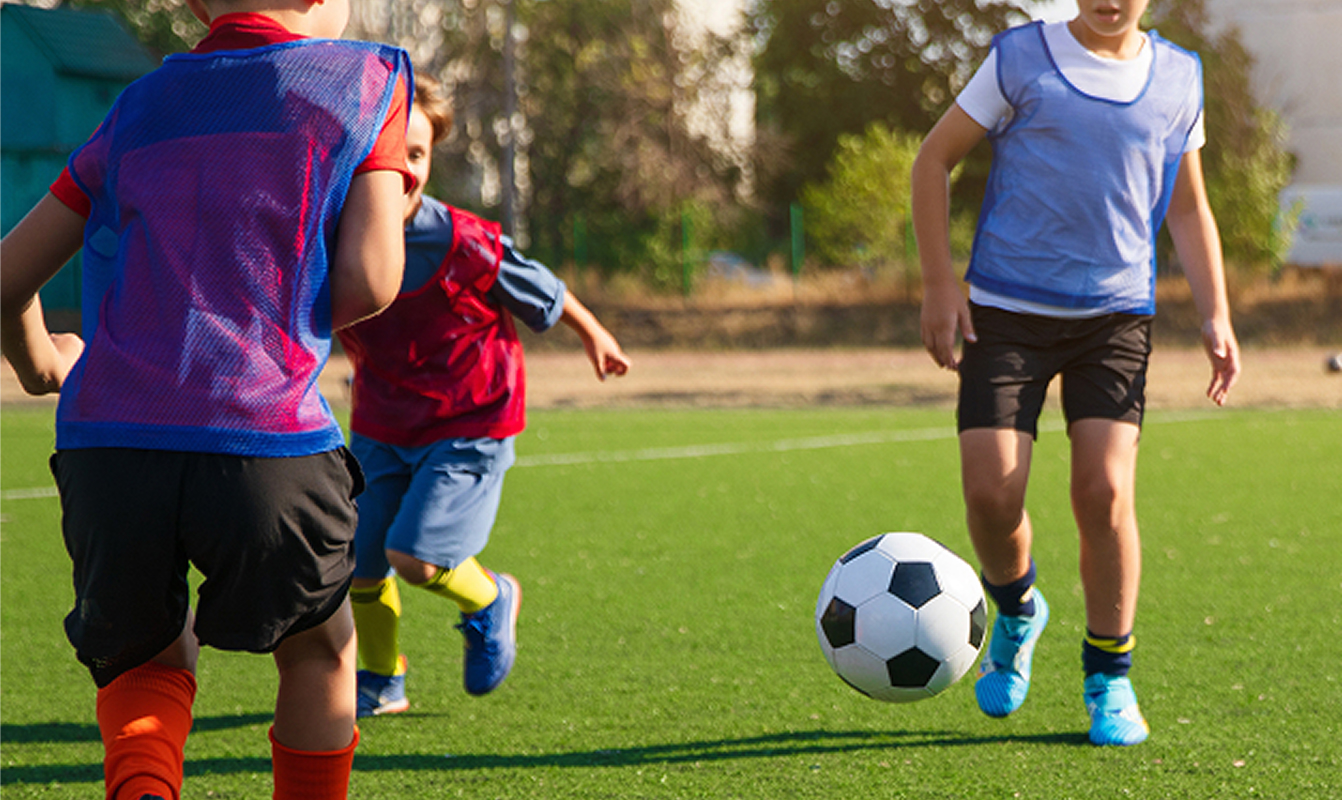
Physical health
A moving body is a healthier body — and the research on just how much healthier is striking.
- Addresses childhood obesity, currently affecting 1 in 5 children in the U.S.
- Reduces risk of cardiovascular disease, Type 2 diabetes, and metabolic conditions
- Regular exercise reduces cancer risk by 10–20% across multiple tumor types (Journal of the National Cancer Institute)
- Builds strength, coordination, and healthy development during critical growth years
- Reduces the pull of screens and sedentary digital habits
Mental and Emotional Health
Physical activity is one of the most accessible — and most underutilized — tools for children’s emotional well-being.
- Reduces symptoms of anxiety and depression
- Builds confidence, self-worth, and a grounded sense of identity
- Teaches resilience: how to lose, try again, fail better, and keep going
- Creates structure, routine, and healthy emotional regulation
- Gives children a sense of belonging on a team and in a community
Cognitive development and academic performance
The connection between movement and learning is not a theory — it’s documented across decades of research.
Students who engage in regular physical activity demonstrate:
- Improved attention, focus, and concentration
- Enhanced executive function and problem-solving capacity
- Higher academic achievement across subjects
- Better classroom behavior and significantly improved attendance rates
The inverse is equally clear: sedentary children are more likely to struggle academically and behaviorally. Reliable play infrastructure doesn’t just support physical health — it supports everything that happens in the classroom.
Social Development and Community
Sports and play are where children learn to be people together — skills that carry for life.
- Teamwork, collaboration, and leadership practiced early translate directly into adulthood
- Shared space builds community cohesion and a sense of belonging
- Youth sports participation is a documented protective factor against violence and negative outcomes
- The discipline, creativity, and resilience developed through sport are among the most durable life skills children can acquire
The Equity Dimension
Access to all of this is not distributed equally. And the consequences of that inequity are real.
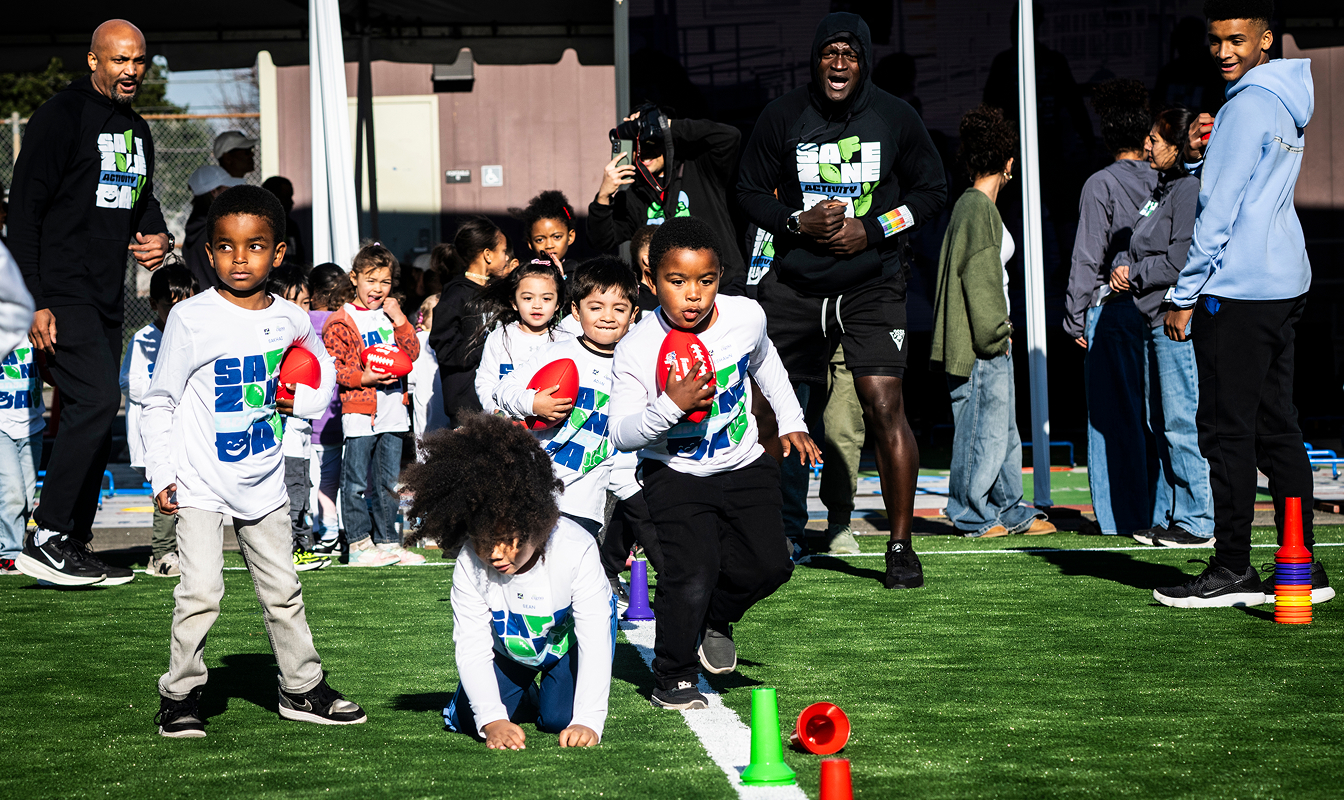
For children in underserved communities, organized sport and free play are often among the only consistent protective factors available. When fields close, when parks are absent, when blanket bans eliminate the only viable infrastructure option, children don’t just miss a game. They miss the health, confidence, community, and opportunity that play provides.
Safe recreational space is a recognized social determinant of health. When we reduce access, we increase risk. And the communities that can least afford that harm are the ones who suffer it most.
“We cannot reduce childhood health risk if we reduce the spaces where children move.”
— Dr. Mimi Nartey
Key Sources
- World Health Organization — Global Recommendations on Physical Activity for Health
- CDC — Physical Activity and Academic Achievement Among Youth
- Journal of the National Cancer Institute — Physical Activity and Cancer Risk
- American Academy of Pediatrics — Physical Activity Guidelines for Children and Adolescents
- Institute of Medicine — Preventing Childhood Obesity: Health in the Balance
- Sallis, J.F., et al. (2016) — The Lancet
Built With the Best in the Business