More Time To Play
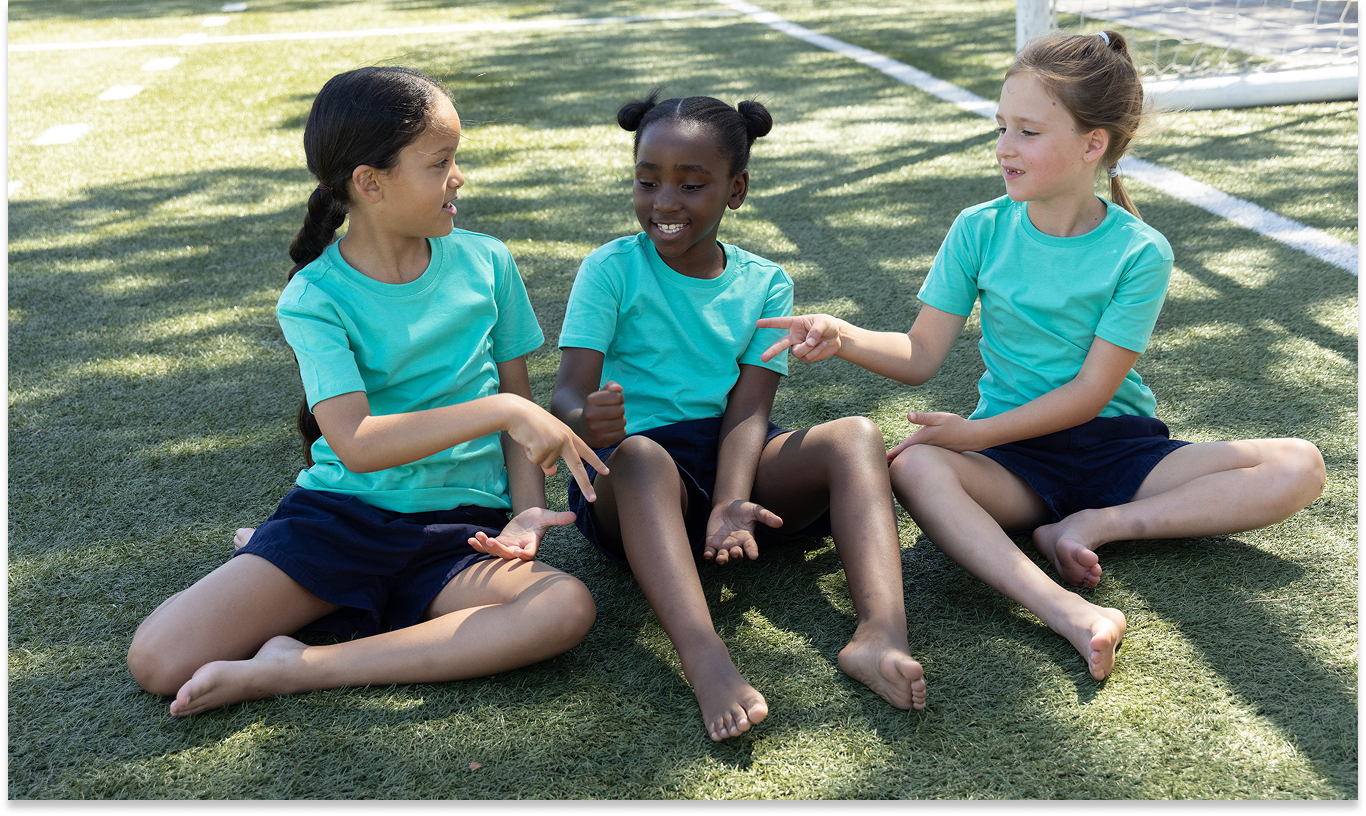
Natural grass fields sound ideal. In practice, they close after rain, deteriorate under heavy use, struggle in drought, and require closures for recovery that stretch days into weeks. When fields close, children don’t simply play elsewhere. They stop playing.
Turf changes that equation entirely:
- Year-round access, regardless of season or weather
- 42,000+ annual play hours, seven times more than natural grass
- No recovery time after events, rainfall, or heavy use
- Consistent, safe surfaces that perform reliably for every child, every day
Smarter Economics
For schools, parks departments, and municipalities operating with limited budgets, every infrastructure decision is also a financial one.
- Lower annual maintenance costs than natural grass
- No irrigation infrastructure, mowing, re-sodding, or seasonal chemical applications
- More play hours per dollar invested
- Reduced closures mean reduced programming disruptions and budget losses
Artificial turf isn’t a shortcut. It’s a strategic investment — and in communities where resources are stretched thin, it’s often the only investment that pencils out.

A Climate-Resilient Choice
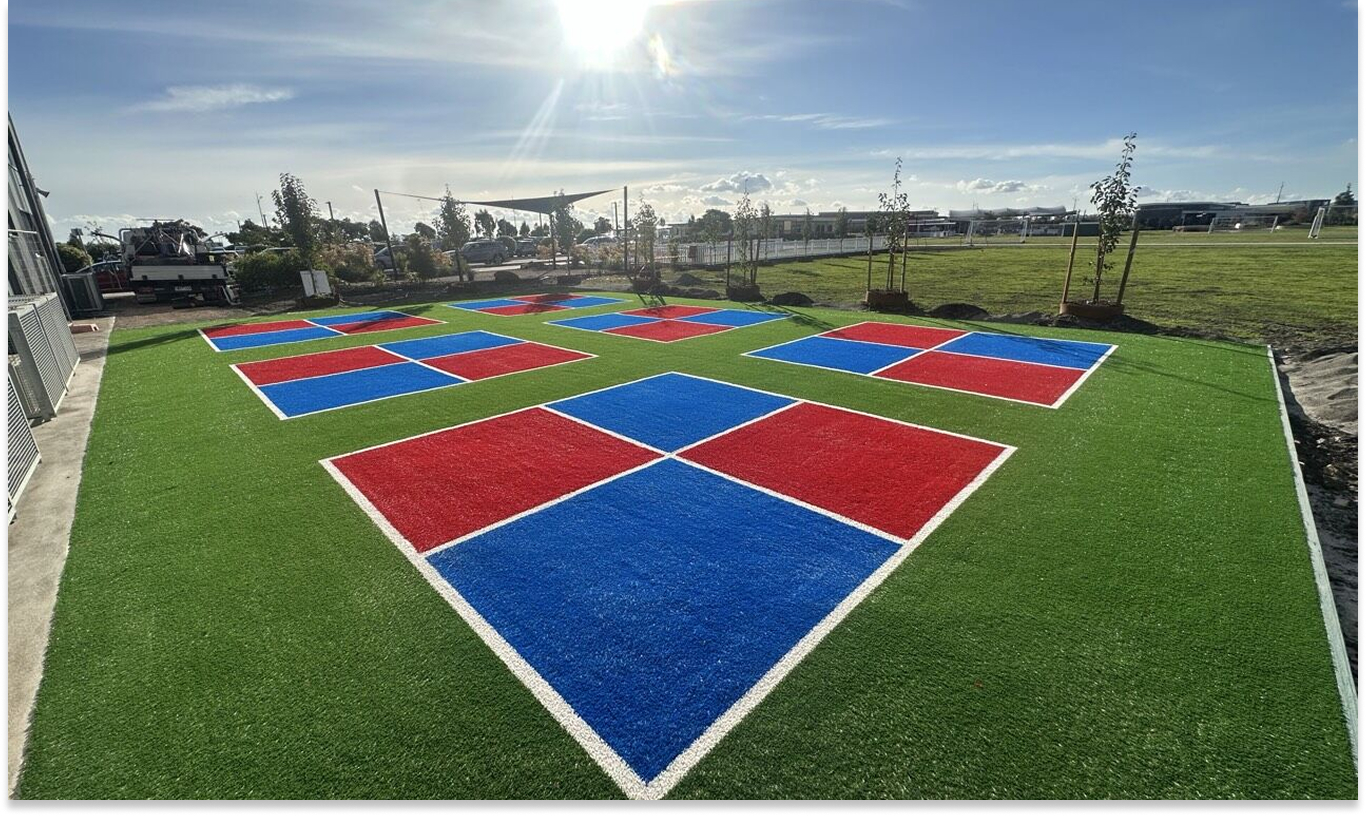
Water stewardship is not optional in drought-prone parts of the country — it’s a moral obligation.
- No regular irrigation — saving tens of thousands of gallons per installation annually
- No fertilizers, pesticides, or fungicides – protecting athletes, waterways, and ecosystems
- No mowing means reduced emissions from maintenance equipment
- Recovers immediately after heavy rain — critical as El Niño patterns intensify
- Well-maintained turf stays playable through the climate variability that repeatedly closes grass fields
What We Support
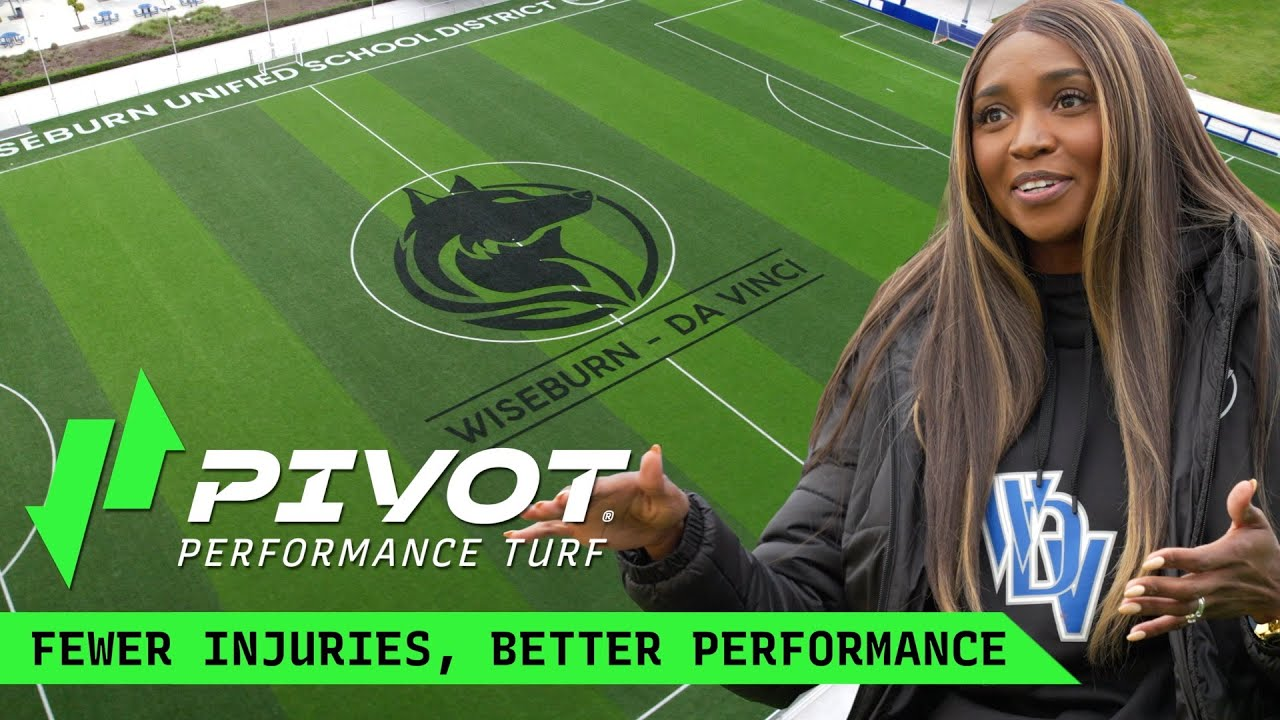
Not all artificial turf is the same. Playing for Keeps advocates for and installs modern, next-generation systems — specifically Pivot Turf — which is:
- Manufactured without intentionally added PFAS
- Free of crumb rubber infill
- Recyclable at the end of its useful life
- Engineered with Pivot Cool technology, reducing surface temperature by 30–40°F compared to traditional turf systems
- Engineered with Pivot Cool technology, reducing surface temperature by 30–40°F compared to traditional turf systems
The turf industry has evolved. Legacy concerns about older materials should not be applied to current, responsibly manufactured systems. We support standards, rigorous testing, and transparency — and we hold our installations to the highest available bar.
We take environmental and health questions seriously. That’s not a talking point — it’s the scientific foundation of our work.
On PFAS:
Detection of fluorinated compounds is not the same as harmful exposure. Current peer-reviewed research does not support the conclusion that modern turf systems present a disproportionate PFAS risk compared to everyday consumer products. We support requiring no intentionally added PFAS — and the products we install already meet that standard.
On microplastics:
Microplastics are a systemic environmental issue primarily driven by vehicle tire wear, synthetic textiles, and urban runoff — sources that dwarf well-designed turf fields. Modern systems significantly reduce off-site migration through containment and drainage design. The answer is smart engineering and enforceable standards — not elimination of infrastructure that delivers proven public health benefits.
On heat:
Surface heat is a real consideration, addressed through reflective turf technologies, organic infill materials, shade structures, hydration protocols, and adjusted programming schedules. These are already standard practice across Southern California.
Our position: Policy should be based on comparative risk assessment — weighing the very real, documented health consequences of reduced physical activity against concerns that deserve continued study. The most significant public health threat facing children today is not recreational surfaces. It is the absence of consistent opportunities to move.
“Grass fields sound ideal — but they’re often unplayable after rain or heavy use. Synthetic turf fields stay open year-round, require far less upkeep, and make it possible for schools and parks in under-resourced neighborhoods to keep kids active.”
Dr. Mimi Nartey
Built With the Best in the Business