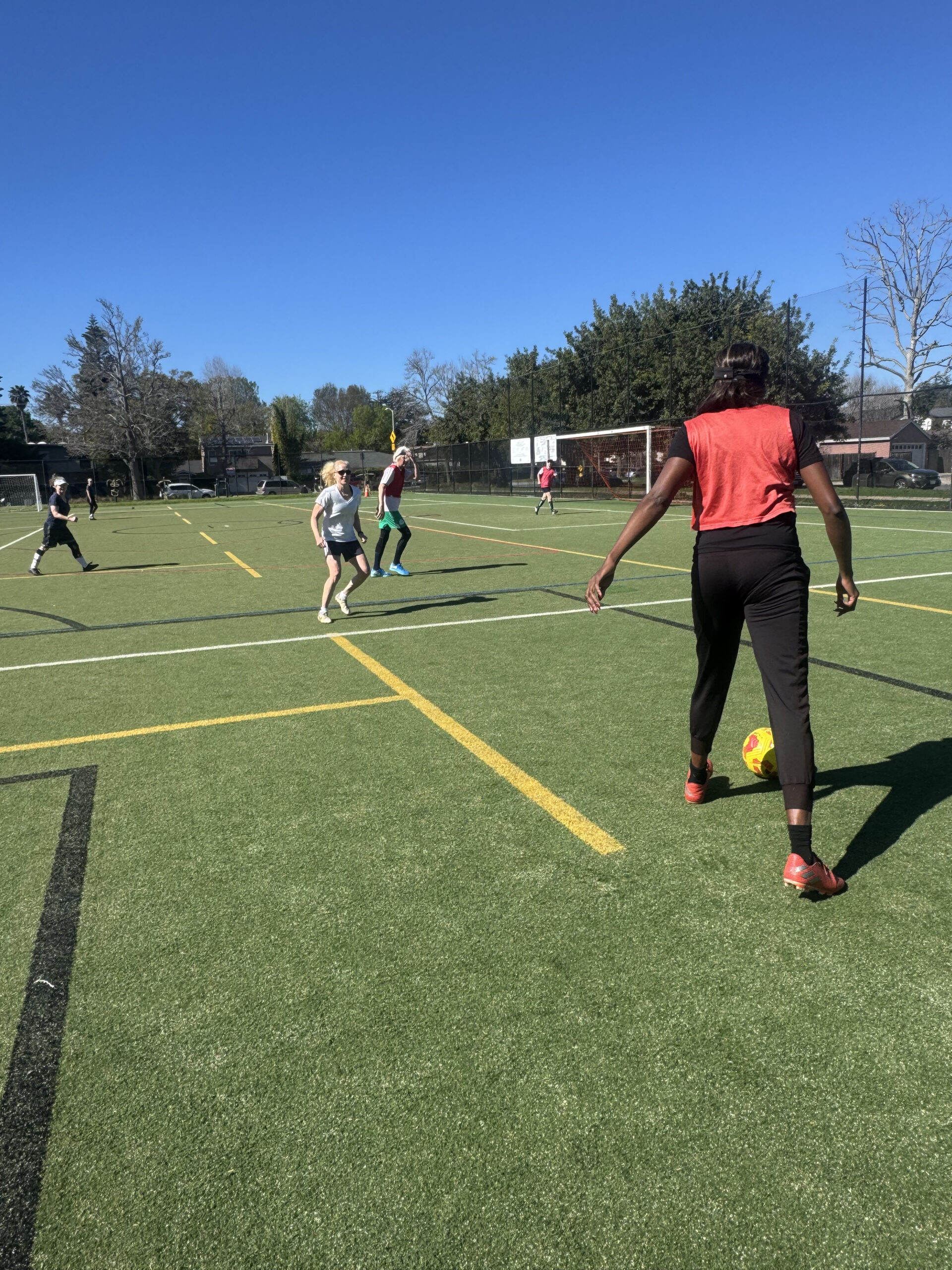
For the first time in decades, I laced up my boots and stepped back onto the field as a player.
After years spent coaching, mentoring, parenting, and advocating for young athletes, I recently joined an Over-40 women’s soccer league while also organizing a weekly pickup game for women in our community.
I expected to rediscover my love for the game.
What I didn’t expect was to be reminded why our work at Playing for Keeps begins with children.
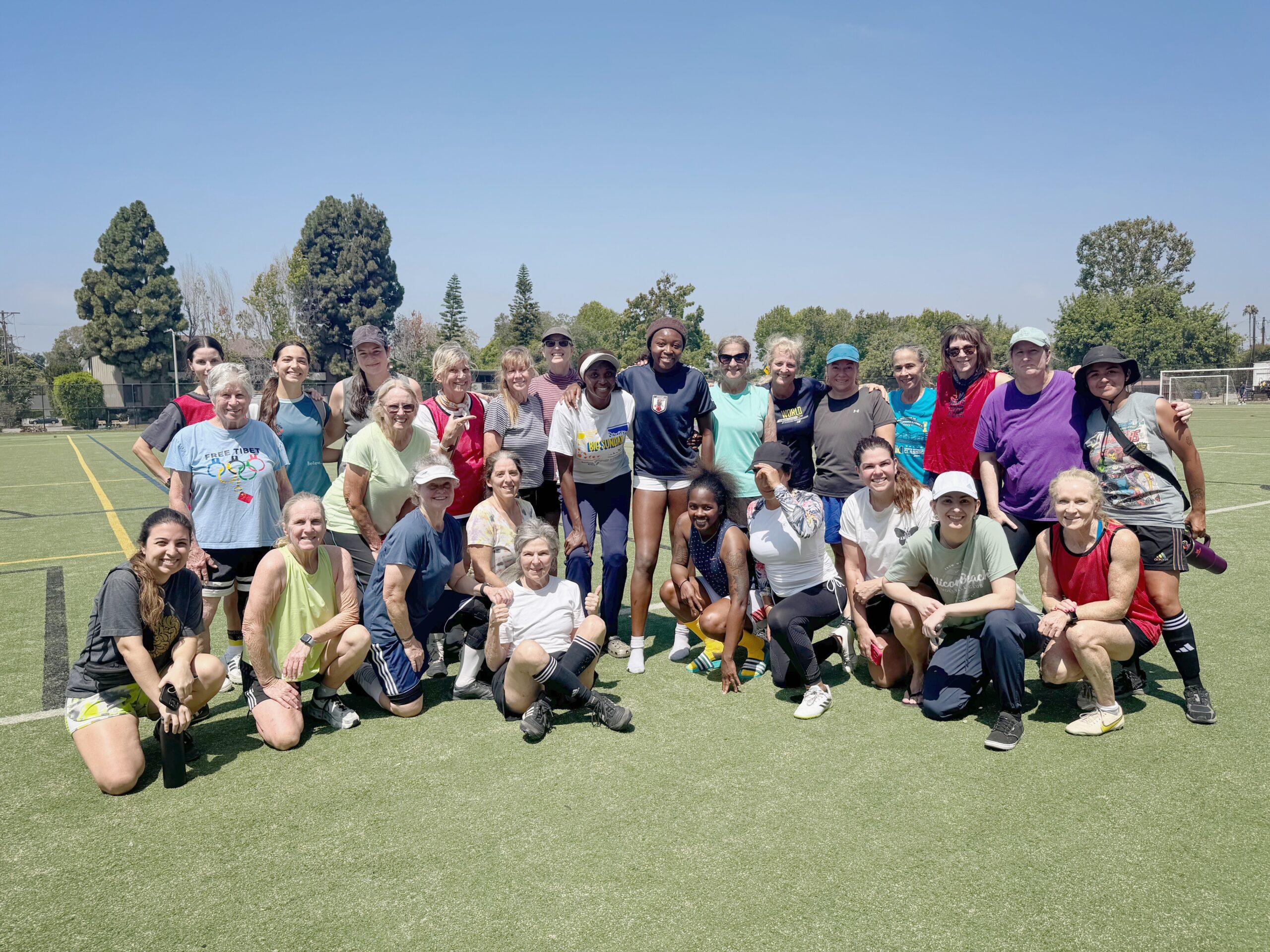
The women on these teams come from remarkably different backgrounds.
Some played soccer growing up.
Some competed in college.
Others never had the opportunity to play as girls because those opportunities simply didn’t exist when they were young.
They found soccer later in life.
And they fell in love with it.
Watching women in their forties, fifties, and sixties discover the joy of the game has been both inspiring and deeply moving.
Their stories have reminded me that sport is about so much more than competition.
It creates friendships.
It strengthens physical and mental health.
It builds confidence.
It provides belonging.
It creates community.
Many of these women often talk about wishing they had been given these opportunities as children.
That reflection has stayed with me.
Because when children have access to sport, they gain so much more than athletic skills.
They develop habits that support lifelong health.
They learn resilience through setbacks and teamwork through shared success.
They discover confidence that extends into classrooms, careers, and relationships.
Most importantly, they experience the joy of belonging to something bigger than themselves.
That is why the mission of Playing for Keeps begins with children.
Not because adults don’t benefit from sport.
Quite the opposite.
Adults benefit because of what sport can cultivate over an entire lifetime.
Every child who has the opportunity to play is beginning a journey whose impact we may not fully understand for decades.
Some will become collegiate athletes.
Some will coach the next generation.
Some will play recreationally with friends for the rest of their lives.
Some will simply carry forward the confidence, resilience, and friendships they first discovered on a playing field.
We cannot predict where sport will lead each child.
But we can ensure they have the opportunity to begin.
As I stepped onto the field again, I realized something that has become a guiding belief for me.
The goal isn’t simply to help children play today.
It’s to give them the opportunity to carry the joy, health, confidence, and community that sport provides throughout their lives.
That journey begins with one simple opportunity.
A place to play.
Because every child deserves more than a moment.
Every child deserves a place to play.
Built With the Best in the Business