We often hear people talk about the “Golden Era of Sports” in Los Angeles.
Over the next several years, our region will host an unprecedented lineup of global sporting events, including the FIFA World Cup, the Super Bowl, the NCAA Championships, and the 2028 Olympic and Paralympic Games.
The excitement is real.
The economic opportunity is significant.
The global spotlight is undeniable.
But I believe the most important question has nothing to do with attendance, tourism, or television ratings.
It is much simpler than that.
What will our children inherit when the games are over?
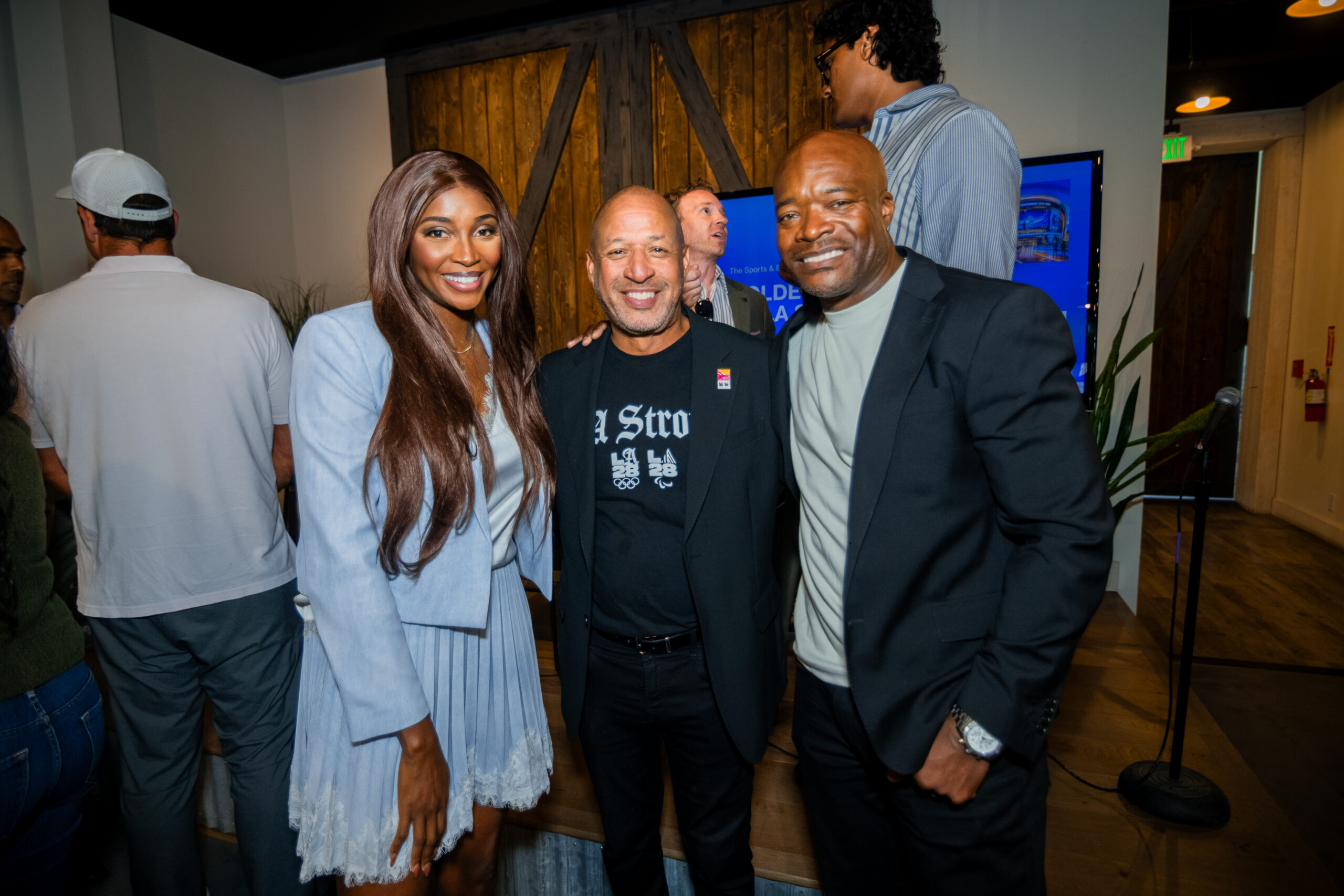
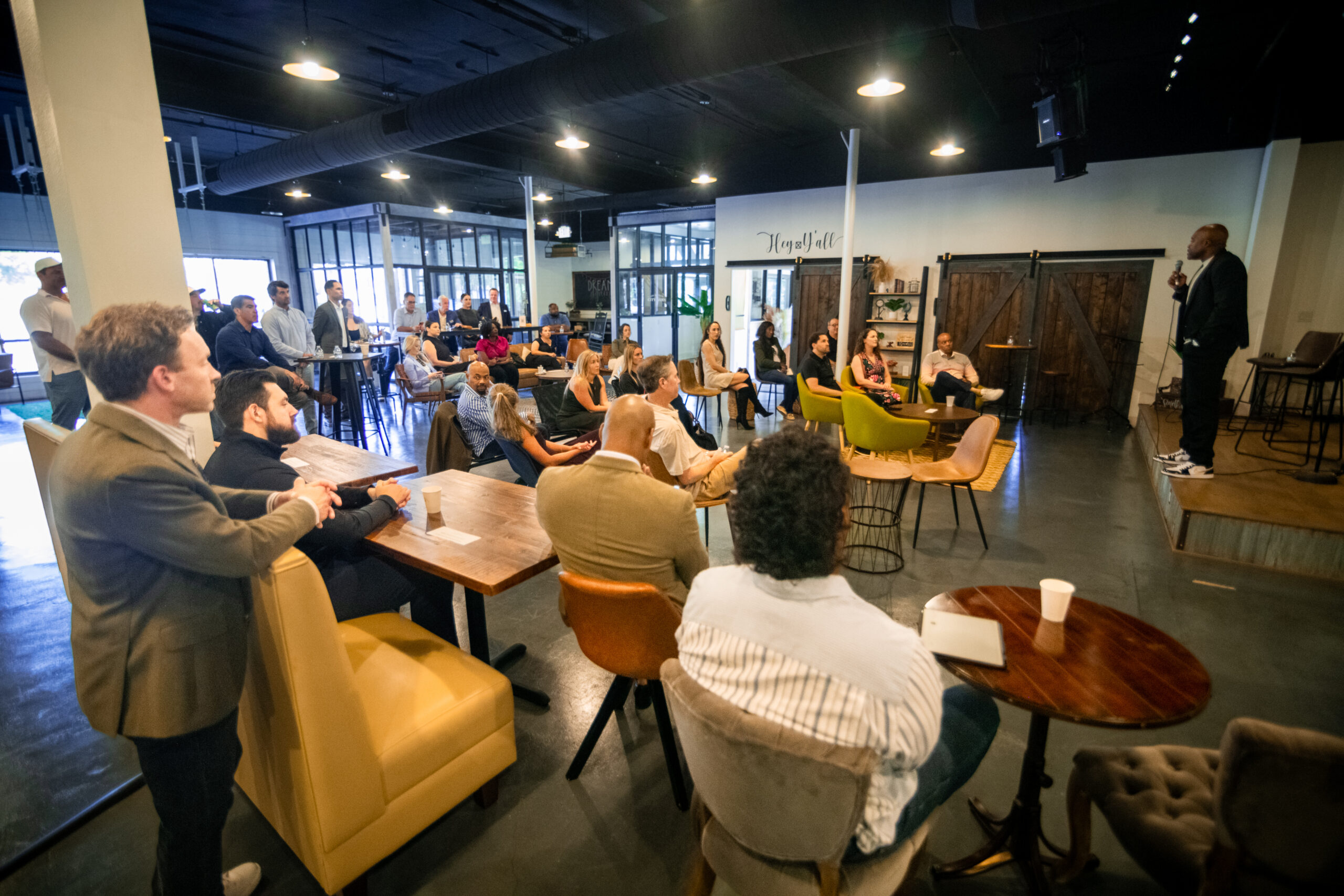
That was the question I carried with me as I participated in a panel discussion on the future of sports in Los Angeles. The conversation brought together leaders from sports marketing, real estate development, and community impact, each offering a different perspective on what this extraordinary moment could mean for our region.
Just a few weeks earlier, I had the unexpected honor of being recognized by the Los Angeles Business Journal as Community Impact Advocate of the Year. That recognition was deeply meaningful, not because of the award itself, but because it affirmed something I have long believed: sport has the power to improve lives when it is intentionally connected to community.
As I listened to the discussion unfold, I realized that many people define legacy by what we build for the event.
I believe we should define legacy by what we build because of the event.
Those are two very different ideas.
Temporary venues will come and go.
Championship banners will eventually come down.
The world’s attention will move to another city.
But the decisions we make today about parks, schoolyards, athletic facilities, and neighborhood play spaces will shape the health and well-being of children for decades to come.
That is the legacy that matters.
Throughout my work with Playing for Keeps, I often describe Los Angeles as an urban play desert.
Despite being one of the world’s great sports capitals, too many children still lack consistent access to safe, high-quality places to play. Families compete for limited field space. Schools struggle with aging facilities. Community organizations work tirelessly to meet growing demand with limited resources.
At the same time, billions of dollars will be invested in preparing our region to welcome the world.
Imagine what would be possible if even a small portion of that energy, creativity, and investment were intentionally directed toward expanding access for children long after the closing ceremonies.
Imagine neighborhoods where every child has a safe place to play after school.
Imagine schools with facilities that become hubs for health, recreation, and community connection.
Imagine public agencies, private companies, philanthropists, sports organizations, and nonprofit leaders working together—not just to host extraordinary events, but to create extraordinary communities.
That is the opportunity before us.
Legacy is not something that happens automatically.
It is something we choose.
It requires vision.
It requires collaboration.
It requires the courage to think beyond the next event and imagine the next generation.
As Los Angeles prepares to welcome the world, my hope is that we will measure success not only by the memories we create for visitors, but by the opportunities we create for the children who call this city home.
Years from now, I don’t want young people to remember that the World Cup came to Los Angeles.
I want them to say that the World Cup, the Olympics, and every major sporting event helped create healthier neighborhoods, stronger communities, and new opportunities that changed the trajectory of their lives.
That is the kind of legacy worth pursuing.
Because every child deserves more than a moment.
Every child deserves a place to play.
Built With the Best in the Business