There are moments as a parent that feel every bit as meaningful as the milestones you once dreamed of for yourself.
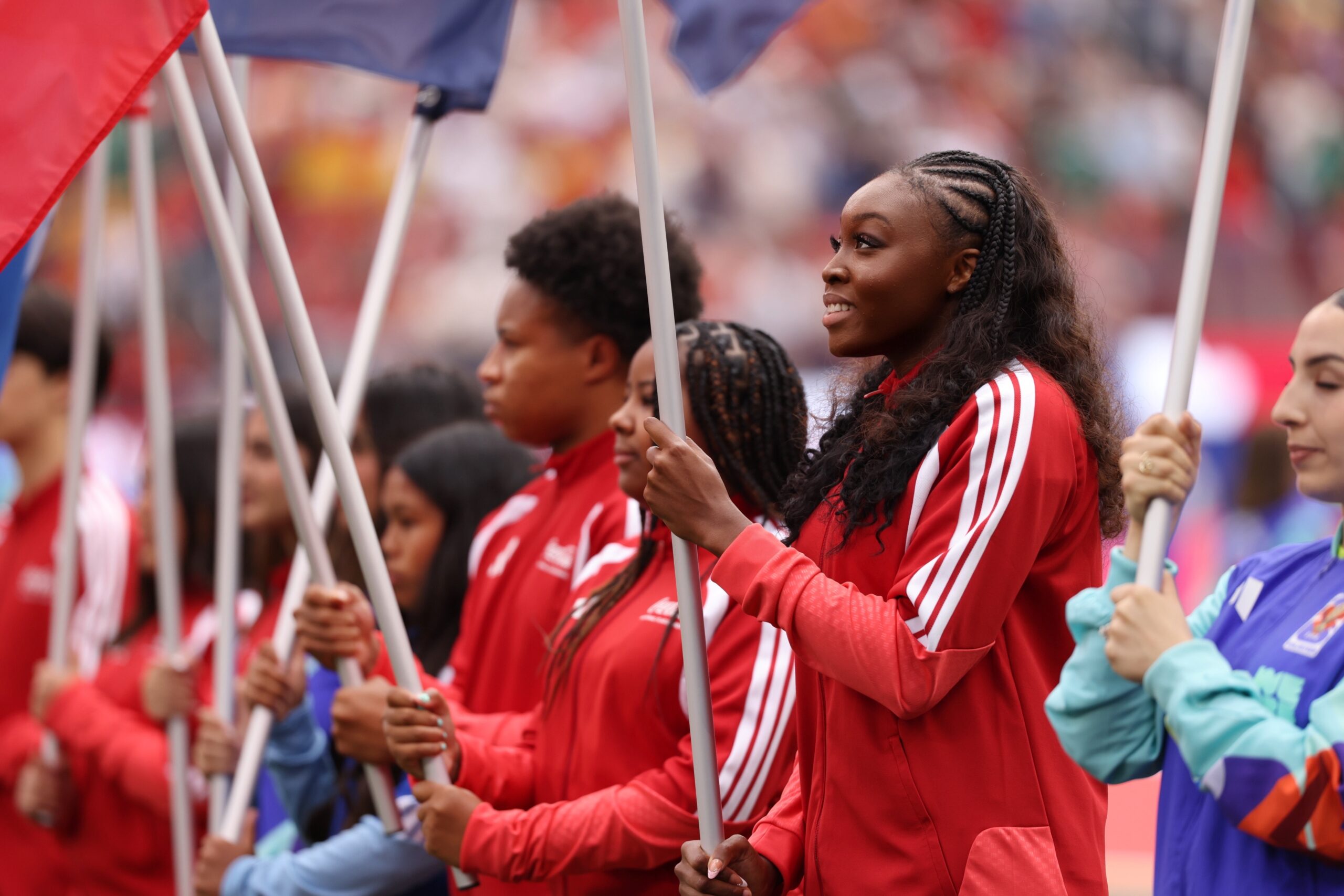
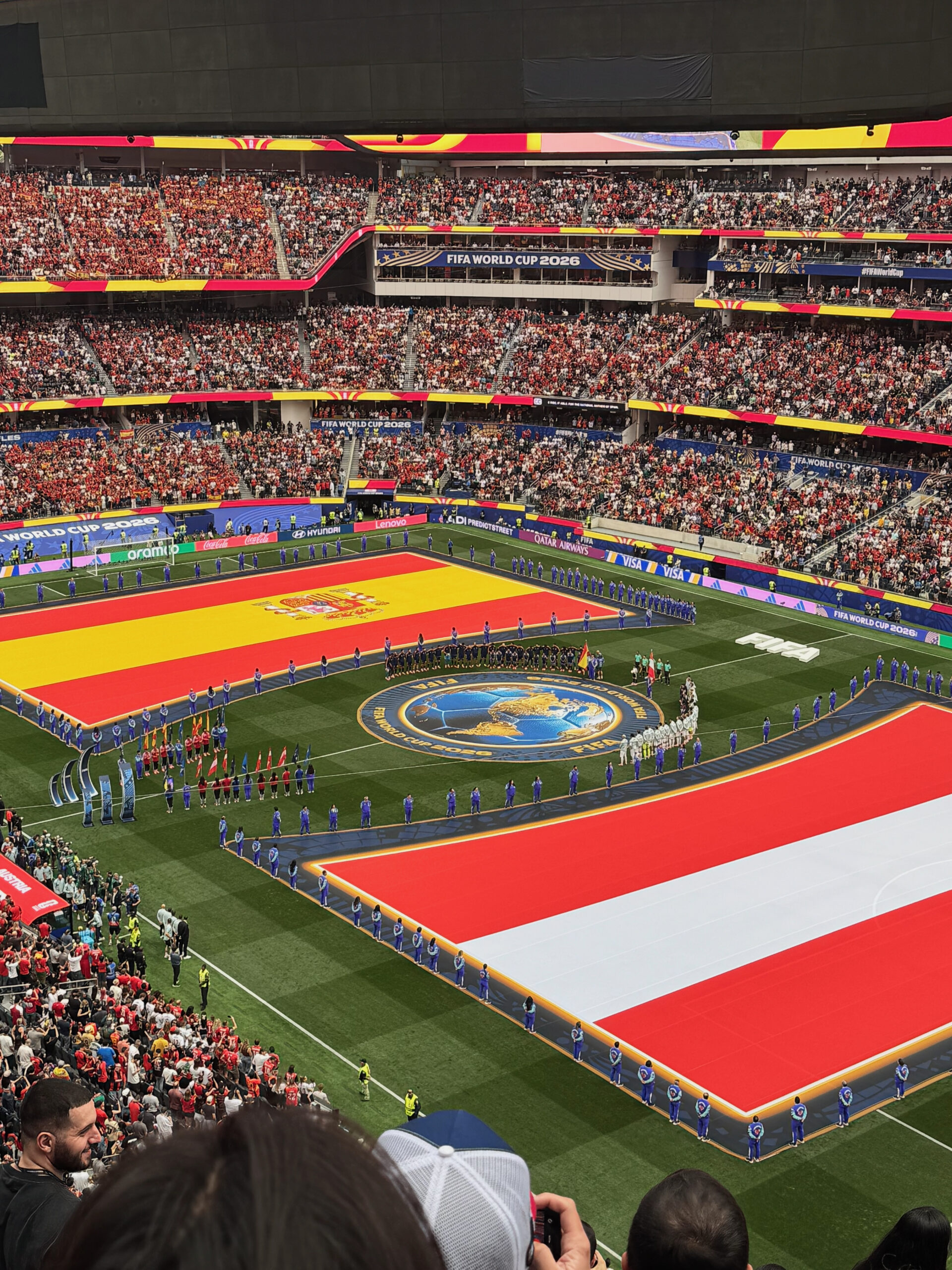
Watching my daughter, Liya, walk onto the field as a FIFA Flag Bearer before the FIFA Women’s World Cup match between Spain and Austria was one of those moments.
As a former member of Ghana’s Women’s National Team, I know what it feels like to represent your country and compete on the international stage. To witness Liya step onto a World Cup field—even in a ceremonial role—filled me with an overwhelming sense of gratitude. It was a beautiful reminder that every athlete’s journey is built one experience at a time. Every opportunity, every memory, and every moment of inspiration helps shape the dreams that young athletes carry forward.
A few weeks later, Liya was named an alternate to Ghana’s U-20 Women’s National Team—another meaningful milestone in her football/soccer journey. While these moments were separate, I can’t help but believe they are connected. Experiences like serving as a FIFA Flag Bearer allow young athletes to see themselves on the world’s biggest stages. They remind them that extraordinary dreams can become tangible goals.
As inspiring as the pre-match ceremony was, I found myself equally captivated by something many people probably never noticed.
The field itself.
Most fans know SoFi Stadium as the home of the Los Angeles Rams and Chargers. What many may not realize is that the playing surface used for the FIFA Women’s World Cup was not the stadium’s everyday field.
To meet FIFA’s exacting standards, the stadium underwent an extraordinary transformation. Engineers installed a specialized natural grass system over the existing playing surface, built an advanced drainage layer beneath it, expanded the playing dimensions by temporarily removing seating, and transported premium grass hundreds of miles under refrigerated conditions before installing it just in time for the tournament.
It was an incredible engineering achievement.
It was also a powerful reminder that world-class playing conditions require world-class resources.
Professional sporting events are designed to showcase the very best athletes in the world under highly specialized conditions. Communities, however, face a very different challenge.
Their responsibility is not to prepare a field for a handful of international matches.
It is to provide safe, reliable places where children can play every day—for years.
Too often, conversations about community playing fields begin by comparing them to professional venues. But those comparisons overlook a fundamental reality: the budgets, maintenance requirements, staffing, irrigation systems, and ongoing investments that make elite venues possible simply are not available in most neighborhoods.
That doesn’t mean children should receive less.
It means communities deserve solutions that are sustainable, practical, and capable of serving generations of young people.
At Playing for Keeps, we believe the conversation should never begin by asking which type of field is “best.”
It should begin by asking a much more important question:
How do we create the greatest access to safe, high-quality places to play for the greatest number of children?
Every community deserves thoughtful solutions that reflect its climate, available resources, maintenance capacity, and the needs of the families it serves. What works for a World Cup stadium may not be what best serves a neighborhood park, just as what works for one community may not work for another.
Access has never been about replicating professional sports.
It has always been about creating opportunity.
Long before athletes wear their country’s crest, earn college scholarships, or compete in World Cups, they need somewhere to discover the game. Somewhere to practice after school. Somewhere to dream.
Watching Liya walk onto that field reminded me that every elite athlete begins in an ordinary place.
A neighborhood park.
A school field.
A local club.
Those places deserve our investment because they are where futures are built.
The World Cup will eventually move on to its next host city.
The lights inside SoFi Stadium will dim.
But the opportunity before us remains.
As Los Angeles experiences its Golden Sports Era with the NBA All-Star Games, the Women’s U.S. Open, the FIFA World Cup, the Super Bowl, NCAA Championships, and the 2028 Olympic and Paralympic Games, we have an extraordinary opportunity to think differently about legacy. These events should inspire us—not only to celebrate the world’s greatest athletes, but to invest in the community spaces where the next generation will first discover the joy of sport.
The true legacy of sport is not measured by the matches we host.
It is measured by the opportunities we leave behind.
Because every child deserves more than a moment.
Every child deserves a place to play.
Built With the Best in the Business